 By Admin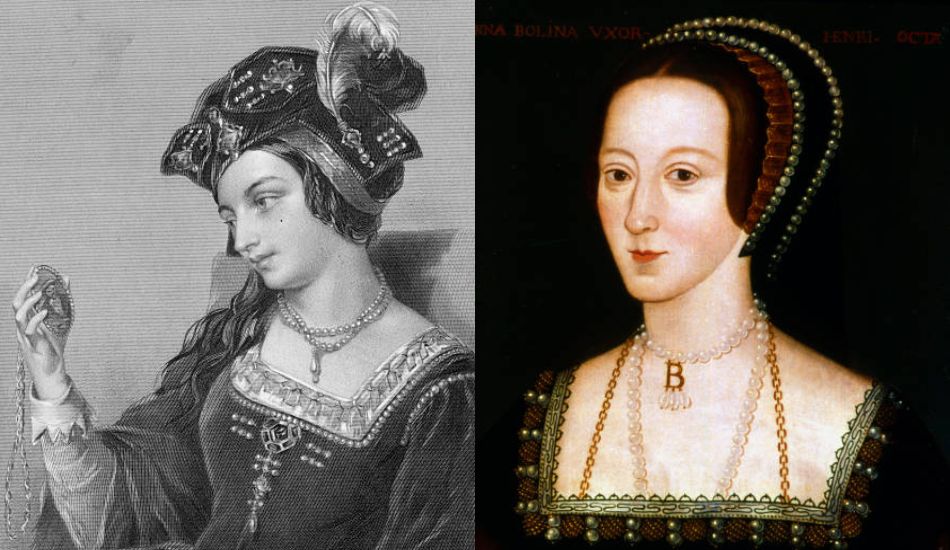
Anne Boleyn remains one of the most studied, debated, and fascinating women in English history. Her story has captivated historians, filmmakers, novelists, and audiences for centuries. As the second wife of King Henry VIII and the mother of Queen Elizabeth I, she occupies a central place in the Tudor era—a period marked by political upheaval, religious transformation, and royal intrigue. Anne Boleyn’s rise and fall transformed England forever, helped trigger the English Reformation, and reshaped the monarchy in ways that still resonate.
This article breaks down every critical aspect of Anne Boleyn’s life, including who she was, her age, family background, siblings, marriage to Henry VIII, her children, her father, her tragic death, her portrayals in film and television (including Claire Foy), and even the frequently searched but historically inaccurate keyword “Anne Boleyn net worth.” Although she lived five centuries ago, her legacy continues to influence pop culture, scholarship, and historical narratives.
Who Was Anne Boleyn?
Anne Boleyn was the second wife of King Henry VIII and Queen of England from 1533 until her execution in 1536. Born into the influential Boleyn family, Anne spent much of her early life in European courts, particularly in the Netherlands and France. During this period she developed the sophistication, education, and charisma that later captivated Henry VIII and the English court.
But Anne Boleyn was more than a romantic figure. She played a pivotal role in the political and religious transformation of England. Her refusal to become Henry VIII’s mistress and her insistence on marriage pushed the king to challenge the Roman Catholic Church. The result: a seismic shift that led to the creation of the Church of England and a permanent break with Rome.
Anne is also remembered as the mother of Elizabeth I—one of England’s most celebrated and powerful monarchs. Despite her tragic end, Anne Boleyn’s historical significance is undeniable.
Anne Boleyn’s Age: How Old Was She?
The exact year of Anne Boleyn’s birth is still debated by historians. Two primary dates are proposed:
- 1501
- 1507
Most modern scholars lean toward 1501, making her around 35 years old at the time of her death in 1536. Others argue she may have been much younger, around 28 or 29, if born in 1507. The lack of precise birth records for many Tudor women contributes to this uncertainty.
Regardless of the exact year, Anne remained youthful, poised, and politically influential during her short but significant time as queen.
Anne Boleyn Net Worth: A Modern Question for a Historical Queen
In a modern age of digital searches and celebrity culture, many people look up “Anne Boleyn net worth.” However, this concept does not fit the economic structure of the 1500s. Royal and noble wealth was measured in:
- Land ownership
- Title privileges
- Dowries
- Incomes from estates
- Royal grants
During her time as queen, Anne held immense influence and enjoyed the privileges of royalty, including luxurious palaces, servants, jewels, and gowns. But she did not have a “net worth” in the modern financial sense. Instead, her wealth was tied entirely to her royal status—and that was stripped from her before her execution.
If translated into modern terms, her access to wealth as queen would equate to millions, but historically speaking, it is inaccurate to assign a figure to her name.
Anne Boleyn’s Family Background
Anne came from an ambitious and politically active family whose connections helped propel her into the English court.
Her Father: Thomas Boleyn
Thomas Boleyn, 1st Earl of Wiltshire and Ormond, was a diplomat and courtier. He served multiple English monarchs and sent his daughters abroad to gain courtly experience, a decision that shaped Anne’s destiny. Thomas was educated, multilingual, and strategically minded—traits he passed on to his children.
Her Mother: Elizabeth Howard
Elizabeth Howard came from the powerful Howard family, one of the most influential aristocratic dynasties in England. She was the daughter of Thomas Howard, the 2nd Duke of Norfolk. Through her mother, Anne was connected to the highest levels of nobility.
Anne Boleyn’s Brother and Sister
Anne had two well-known siblings:
1. Mary Boleyn (Older Sister)
Mary Boleyn served as a lady-in-waiting and was known for her relationships with influential men, including—allegedly—King Henry VIII before Anne became his focus. Mary’s life was far more scandalous but less politically prominent than Anne’s.
2. George Boleyn (Brother)
George Boleyn, Viscount Rochford, was intelligent, politically active, and close to his sister Anne. Tragically, he was accused alongside Anne during her downfall and executed shortly before her. The accusation of incest between them was almost certainly fabricated to justify the annulment of Henry’s marriage to Anne.
Anne Boleyn’s Marriage: Who Was Anne Boleyn Married To?
Anne Boleyn was married to King Henry VIII, one of the most powerful and controversial monarchs in English history. Their relationship began as courtly flirtation, evolved into a deep romantic and political partnership, and eventually catalyzed England’s break from the Catholic Church.
A Secret Marriage and Coronation
Anne and Henry were likely married secretly in late 1532 and publicly in early 1533. She was crowned Queen of England in June 1533 in a lavish ceremony.
But their marriage was strained by:
- Political pressure
- Anne’s failure to produce a male heir
- Henry’s romantic pursuit of Jane Seymour
By 1536, Henry sought to dissolve the marriage entirely.
Anne Boleyn’s Children
Anne Boleyn had one surviving child:
Elizabeth I (Born 7 September 1533)
Elizabeth later became one of the most iconic rulers in world history. Her reign (1558–1603), known as the Elizabethan Era, was a golden age of culture, exploration, and national stability.
Anne also suffered several miscarriages, including a miscarriage of a male child in January 1536—an event that deeply damaged her marriage.
Anne Boleyn’s Downfall and Death
Anne’s fall was swift, shocking, and politically motivated.
By early 1536, Henry VIII was enamored with Jane Seymour. Meanwhile, key figures in his court—Thomas Cromwell in particular—viewed Anne as an obstacle to their political aims.
In May 1536, Anne was arrested and charged with:
- Adultery
- Incest (with her brother)
- Conspiracy to kill the king
- Treason
These charges were based on exaggerated, coerced, or fabricated evidence. Anne was tried and found guilty in what many historians consider a pre-determined verdict.
Execution
- Date: 19 May 1536
- Location: Tower of London
- Method: Beheading by a French swordsman
Anne met her death with dignity and composure, delivering a calm speech and refusing to accuse anyone. She was buried in the Chapel of St. Peter ad Vincula within the Tower.
Her execution ended her life but cemented her place in history.
Anne Boleyn in Movies and TV: Cultural Depictions
Anne Boleyn has appeared in numerous historical films, series, and novels. Her life’s drama—romance, intrigue, political ambition, betrayal—makes her a natural subject for storytelling.
Some notable portrayals include:
- Geneviève Bujold in Anne of the Thousand Days (1969)
- Natalie Portman in The Other Boleyn Girl (2008)
- Jodie Turner-Smith in Anne Boleyn (2021)
These portrayals vary widely in accuracy but reflect the enduring fascination with Anne’s story.
Anne Boleyn and Claire Foy
A particularly acclaimed portrayal came from Claire Foy, who played Anne Boleyn in the 2015 BBC adaptation of Hilary Mantel’s Wolf Hall. Foy’s performance captures Anne’s intelligence, vulnerability, ambition, and tragic fate.
This role helped establish Claire Foy as one of Britain’s top actresses and brought Anne’s story to a modern global audience.
Anne Boleyn’s Enduring Legacy
Anne Boleyn’s legacy is complex, multifaceted, and powerful. She was a catalyst for one of the most significant religious shifts in European history, the mother of a legendary queen, and a woman whose story still resonates five centuries later.
She remains a symbol of:
- Female agency in a male-dominated era
- The dangers of royal politics
- The power of ambition
- The enduring strength of motherhood
Her life reminds us that one person—however controversial—can change the course of history.
Conclusion: Anne Boleyn’s Story Through Time
Anne Boleyn’s life is a blend of triumph, tragedy, and historical transformation. From her early years in the courts of Europe to her dramatic rise as Henry VIII’s queen and her heartbreaking execution, Anne’s story remains one of the most compelling in English history. Her influence reshaped religion, monarchy, and culture in ways few could imagine.
Even today, historians continue to uncover new insights into her life, while filmmakers and novelists keep her story alive. For readers, researchers, and fans of Tudor history, Anne Boleyn represents a figure of intrigue, resilience, and lasting legacy.
This article is published for readers of primeheadlines, where history meets modern curiosity.