 By Admin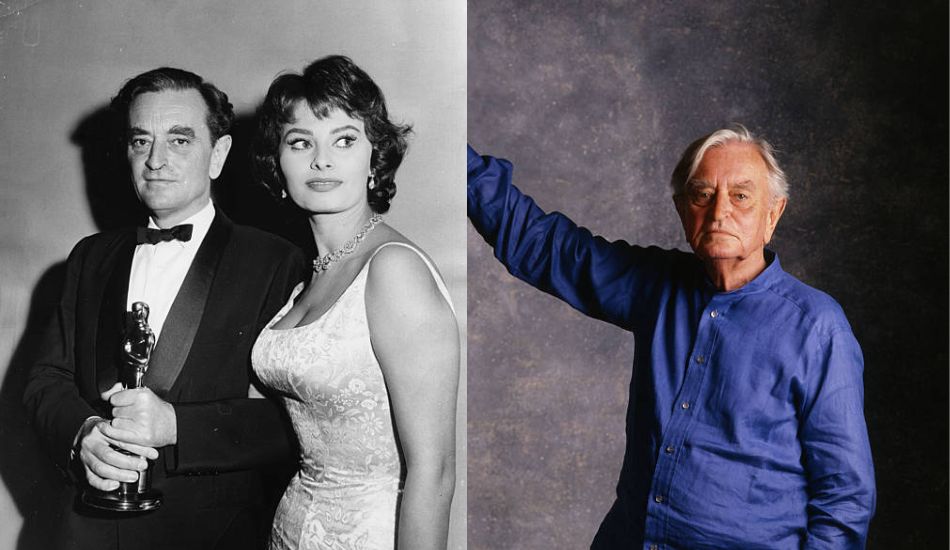
Introduction: Who Was David Lean?
Sir David Lean was a towering figure in the world of cinema — a British film director, producer, screenwriter, and editor whose name became synonymous with sweeping, visually stunning, emotionally rich films. Lean’s career spanned over four decades, and though he directed only a modest number of films, his influence on cinematic storytelling, technical innovation, and the epic form remains unparalleled. Lean is widely celebrated for combining grand visual scope with profound human drama, crafting films that have stood the test of time and continue to inspire filmmakers and audiences alike.
Early Life and Background
David Lean was born on 25 March 1908 in Croydon, Surrey, England. He grew up in a Quaker family, the son of Francis William le Blount Lean, a senior partner in an accounting firm, and Helena Tangye, an artistically inclined mother who exposed him to culture from a young age. His education at Quaker schools and early fascination with photography laid the groundwork for a future in visual storytelling.
Lean’s youth wasn’t easy; his parents separated when he was a teenager, and this early experience with emotional upheaval perhaps influenced the sensitivity and depth he brought to human relationships on screen. He also had a younger brother, Edward Tangye Lean, who later founded an early literary club while at Oxford — showing that creativity ran in the family.
David Lean’s Age and Lifespan
David Lean lived a long and remarkable life, passing away at the age of 83 on 16 April 1991 in London, after a career that reshaped global cinema. If he were alive today in 2026, he would be 117 years old.
Net Worth: A Look at Financial Standing
Though exact figures are difficult to verify for filmmakers of the early 20th century, some modern estimates place David Lean’s net worth at approximately $19 million (USD), accounting for earnings, residuals, and posthumous value of his creative works. This figure, while speculative, reflects his status as a high‑impact creative whose films have continued to earn through licensing, television rights, and international distribution long after their release.
Was David Lean a Bodybuilder?
Despite occasional confusion in online searches, there is no credible evidence to suggest that David Lean was a bodybuilder or involved in bodybuilding at any point in his life. Lean’s legacy is rooted firmly in cinema — directing, writing, editing, and producing films — and references to “David Lean bodybuilder” likely relate to a different individual with the same name or erroneous search results.
Career Beginnings: From Editing to Directing
Lean began his career working behind the scenes in film editing and as an assistant director. His meticulous eye for pacing, visual composition, and narrative structure was evident early, and these skills propelled him into directing. His early films ranged from wartime drama to intimate human stories, showcasing a versatility that would later be essential to his success with large‑scale epics.
The Film Canon: David Lean’s Best Movies
David Lean’s filmography, though relatively concise, is filled with masterpieces. Critics, film historians, and audiences often cite several key works as among the best in cinematic history.
Top Films by David Lean:
- Lawrence of Arabia (1962) – Universally regarded as Lean’s masterpiece, this sprawling biographical drama about T.E. Lawrence blends historical scope with emotional depth, capturing the essence of its complex subject.
- The Bridge on the River Kwai (1957) – A monumental World War II epic that won seven Academy Awards, including Best Picture and Best Director, and remains one of cinema’s most powerful war films.
- Brief Encounter (1945) – A poignant romantic drama that showcases Lean’s ability to convey deep emotion with subtlety and grace.
- Great Expectations (1946) – A beloved adaptation of the Charles Dickens classic.
- Oliver Twist (1948) – Another Dickens adaptation known for its atmospheric visuals and emotional complexity.
- Hobson’s Choice (1954) – A charming and acclaimed British comedy‑drama.
- Doctor Zhivago (1965) – A sweeping romantic drama set against the backdrop of the Russian Revolution.
- A Passage to India (1984) – Lean’s final feature film, acclaimed for its mature handling of cultural and personal tensions.
David Lean Movies Ranked
Film enthusiasts and critics have consistently placed Lean’s works at the top of all‑time cinema lists. In a comparative ranking that blends critical acclaim and audience appreciation, Lawrence of Arabia often emerges at #1, followed closely by The Bridge on the River Kwai, with classic adaptations like Great Expectations and Brief Encounter rounding out the top tier. Lesser-known but still respected films like Madeleine and The Sound Barrier also contribute to the diverse range of Lean’s creative output.
Epic Films: David Lean’s Legacy in Giant Cinema
David Lean is perhaps best known for his epic films — movies that combine historical breadth with emotional storytelling. These epics, made between the late 1950s and the 1980s, include:
- The Bridge on the River Kwai (1957) – A gripping war epic.
- Lawrence of Arabia (1962) – The defining epic of his career.
- Doctor Zhivago (1965) – A romantic tale in turbulent times.
- Ryan’s Daughter (1970) – A visually stunning, if controversial, romantic epic.
- A Passage to India (1984) – His final dramatic achievement.
These films elevated the epic form, using scale not just for spectacle but to explore personal and cultural narratives against broad historical backdrops.
David Lean’s Personal Life and Family
Lean’s personal life was as eventful as his cinematic career. He was married six times and had one son, Peter, from his first marriage to Isabel Lean in 1930. That marriage ended in divorce in 1936. He went on to marry actress Kay Walsh, Ann Todd, Leila Matkar, Sandra Hotz, and finally Sandra Cooke, with whom he remained until his death.
David Lean’s Family and Siblings
Lean’s brother, Edward Tangye Lean, was also creatively engaged, known for founding an early college literary club. Their upbringing in a culturally rich environment likely contributed to both brothers’ artistic pursuits.
David Lean and Kay Walsh
Among Lean’s spouses, Kay Walsh stands out as a significant creative and personal partner. Walsh was an actress and screenwriter who collaborated with Lean on earlier films, including Great Expectations and Oliver Twist, in which she also performed.
- Marriage to David Lean: 23 November 1940 – 1949.
- After their divorce, Walsh remarried and adopted children, including a daughter named Gemma.
Their relationship was both personal and professional — Walsh contributed to Lean’s early artistic development and remained a respected figure in British cinema.
Final Thoughts: The Enduring Influence of David Lean
From intimate dramas like Brief Encounter to cinematic epics like Lawrence of Arabia, David Lean’s body of work reshaped global cinema. His ability to blend visual grandeur with deep emotional resonance made him a filmmaker’s filmmaker — praised by peers and beloved by audiences around the world. Through a lifetime of creative achievement, Lean demonstrated that film could be both art and spectacle, influencing generations of directors who followed.
As we reflect on his legacy, one thing remains clear: few directors have left a mark on the cinematic landscape as indelible as David Lean.
This article is proudly brought to you by primeheadlines — your destination for in‑depth profiles of the most influential figures in film history.