 By Admin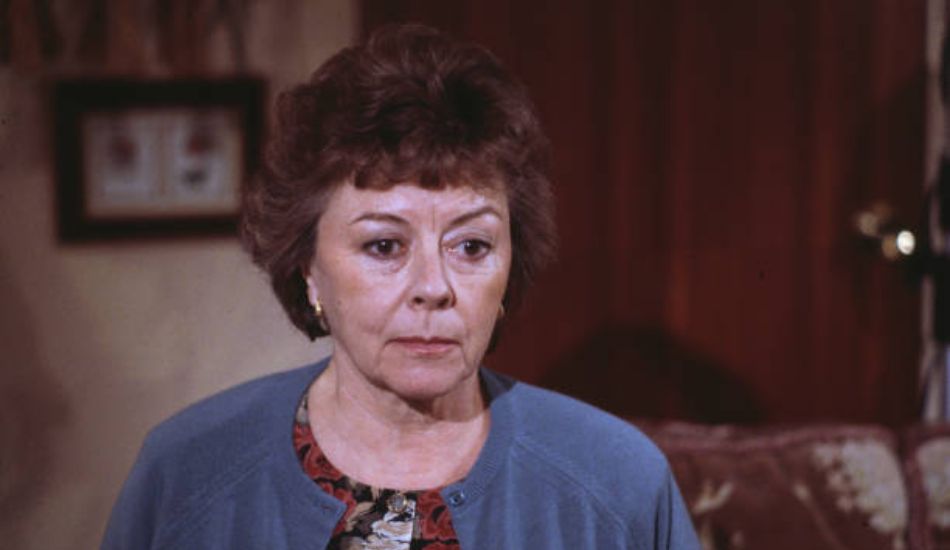
Dorothy Tutin was one of the most accomplished and respected English actresses of the 20th century. Known for her extraordinary versatility, emotional depth, and classical training, she left an indelible mark on British theatre, film, and television. Her career spanned more than five decades, during which she excelled in Shakespearean drama, period films, modern television, and contemporary stage productions. This detailed article explores who Dorothy Tutin was, her age, family, relationships, movies and TV shows, net worth, cause of death, and her enduring cultural legacy.
Who Is Dorothy Tutin?
Dorothy Tutin was an English stage, film, and television actress, best remembered for her powerful performances in classical theatre and British cinema. She was regarded as one of the finest actresses of her generation, frequently compared with the great theatrical figures of post-war Britain.
Her name became synonymous with intelligence, grace, and dramatic authority, particularly in Shakespearean roles. Critics often praised her ability to combine emotional subtlety with commanding stage presence, a quality that made her equally compelling in intimate television dramas and grand historical epics.
Dorothy Tutin Age and Early Life
Dorothy Tutin was born on 8 April 1930 in London, England. She grew up during a period marked by social change and the challenges of World War II, experiences that helped shape her emotional sensitivity as an artist.
She showed an early interest in acting and performance. Recognizing her talent, her family supported her artistic ambitions. Dorothy later trained at the prestigious Royal Academy of Dramatic Art (RADA), one of the most respected drama schools in the world. This formal training gave her a strong foundation in voice, movement, and classical texts—skills that would define her career.
She made her professional stage debut in 1949, at just 19 years old, marking the beginning of an extraordinary journey in the performing arts.
Dorothy Tutin Actress: A Distinguished Career
Theatre Career
Dorothy Tutin was first and foremost a theatre actress, and her stage work is considered the cornerstone of her reputation. She became closely associated with the Royal Shakespeare Company (RSC), where she performed many of Shakespeare’s most iconic female roles.
Some of her most acclaimed stage performances included:
- Juliet in Romeo and Juliet
- Ophelia in Hamlet
- Viola in Twelfth Night
- Lady Macbeth in Macbeth
Her performances were praised for their emotional intelligence and psychological realism. She won multiple theatre awards, including Evening Standard Theatre Awards and Laurence Olivier Awards, solidifying her place among Britain’s theatrical elite.
Dorothy Tutin Movies: Film Career Highlights
While theatre remained her artistic home, Dorothy Tutin also built a successful film career. Her film roles often reflected her classical background and ability to bring depth to period dramas.
Notable Dorothy Tutin movies include:
- The Importance of Being Earnest (1952) – as Cecily Cardew
- The Beggar’s Opera (1953) – as Polly Peachum
- A Tale of Two Cities (1958) – as Lucie Manette
- Cromwell (1970) – as Queen Henrietta Maria
- Savage Messiah (1972)
- The Shooting Party (1985)
These films showcased her elegance, poise, and ability to portray complex women in historical and literary adaptations.
Dorothy Tutin Movies and TV Shows
In addition to her film work, Dorothy Tutin was a familiar face on British television. She appeared in numerous acclaimed TV dramas, particularly during the golden age of BBC period productions.
Some of her most notable television appearances include:
- The Six Wives of Henry VIII – portraying Anne Boleyn
- All Creatures Great and Small
- The Sins
- Play for Today
- BBC Shakespeare adaptations
Her television performances brought classical acting to a wider audience and helped elevate the quality of British TV drama during the 1960s–1990s.
Dorothy Tutin Wikipedia and Public Recognition
Dorothy Tutin’s achievements are widely documented on Wikipedia and other biographical platforms, reflecting her importance in British cultural history. She was honored with some of the UK’s highest distinctions for the arts.
She received:
- Commander of the Order of the British Empire (CBE) in 1967
- Dame Commander of the Order of the British Empire (DBE) in 2000
These honors recognized her immense contribution to theatre and acting, particularly her influence on classical performance standards.
Dorothy Tutin Family Background
Dorothy Tutin Father and Mother
Dorothy Tutin was born to John Tutin, her father, and Adie Evelyn Fryers, her mother. Her family background was supportive of education and culture, which helped nurture her early artistic interests.
Dorothy Tutin Brother and Sister
She had an older half-brother named Eric, who tragically died during her childhood. This early loss deeply affected her and is often cited as one of the emotional experiences that contributed to the depth and sensitivity of her later performances.
She did not have any surviving sisters or other brothers.
Dorothy Tutin Married To: Her Husband
Dorothy Tutin was married to actor Derek Waring in 1963. Their marriage lasted until her death in 2001 and was considered a stable and supportive partnership.
Derek Waring was also a respected actor, and the couple shared a deep understanding of the demands and pressures of the acting profession. Despite busy careers, they maintained a strong family life away from the public spotlight.
Dorothy Tutin Kids and Daughter
Dorothy Tutin and Derek Waring had two children:
- Nicholas Waring – actor
- Amanda Waring – actress
Dorothy Tutin Daughter
Her daughter, Amanda Waring, followed in her mother’s footsteps and became an actress. Amanda even appeared alongside Dorothy Tutin in television productions, making their professional collaboration a meaningful continuation of the family’s artistic legacy.
Both children have spoken with admiration about their mother’s dedication, discipline, and passion for acting.
Dorothy Tutin Relations and Personal Life
Despite her fame, Dorothy Tutin was known to be a private and reserved individual. She avoided celebrity culture and preferred to let her work speak for itself. Colleagues often described her as thoughtful, intelligent, and deeply committed to her craft.
She balanced family life with an intense professional schedule, a challenge she managed with grace and determination. Her relationships were grounded in mutual respect, particularly within her family and theatrical community.
Dorothy Tutin Net Worth
There is no officially verified figure for Dorothy Tutin’s net worth. Unlike modern celebrities, actors of her era did not typically accumulate or publicize large financial fortunes.
Her true wealth lay in:
- A five-decade career
- Prestigious awards and honors
- Lasting influence on British theatre and television
Rather than commercial success, her legacy is measured by artistic excellence and cultural impact.
Dorothy Tutin Cause of Death
Dorothy Tutin passed away on 6 August 2001, at the age of 71. The cause of death was leukemia, a form of cancer affecting the blood and bone marrow.
Her death was widely mourned in the British arts community. Tributes poured in from actors, directors, and critics who recognized her as one of the great performers of her time.
Dorothy Tutin Legacy and Influence
Dorothy Tutin’s legacy continues to live on through:
- Her classic stage performances
- Iconic film and television roles
- Her influence on younger generations of actors
She is remembered as a performer who brought intellectual rigor, emotional honesty, and technical brilliance to every role. Her contributions helped shape modern British acting standards, particularly in classical theatre.
Today, she remains a respected figure studied by drama students and admired by theatre historians.
Final Thoughts
Dorothy Tutin was far more than just an actress—she was a symbol of artistic integrity and dedication. From Shakespearean heroines to powerful television characters, she demonstrated what it means to fully inhabit a role. Her life story, family background, and professional achievements continue to inspire readers and performers alike.
Articles like this aim to preserve her legacy for new generations of readers on platforms such as primeheadlines, where timeless cultural figures deserve thoughtful and detailed recognition.