 By Admin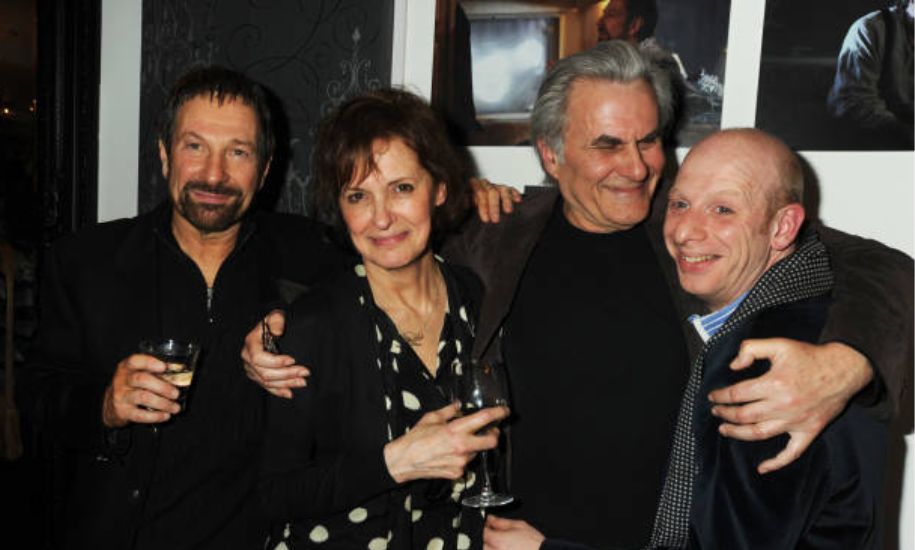
Oliver Charles Cotton is an actor, playwright, and screen artist whose work spans more than five decades across theatre, television, and film. With a commanding presence, classical training, and a body of work that ranges from Shakespearean tragedy to major Hollywood productions, Cotton has built a distinguished career that few performers of his generation can rival. Born on 20 June 1944 in London, United Kingdom, Cotton’s journey from the stages of London’s National Theatre to screens around the world is one of dedication, artistic depth, and constant reinvention.
Early Life and Formative Years
Oliver Cotton was born in London to Ester Cotton and Robert Norman Cotton, growing up in an environment that nurtured his interest in the dramatic arts from an early age. Cotton’s passion for acting led him to pursue professional training at the prestigious Drama Centre London in King’s Cross — a foundation that would shape his approach to performance for decades to come.
Standing approximately 1.80 m (5 ft 11 in) tall, Cotton carries himself with a presence well suited to classical theatre and screen portrayals. His early training emphasized not just technical skill but emotional resonance, preparing him for complex roles on stage and screen.
Theatre: The Heart of His Craft
Before entering film and television in earnest, Cotton began his professional career in stage acting, making his theatrical debut in 1965 at Stage 73 in New York City. On returning to the UK, he quickly became a prominent figure in British theatre, particularly at the Royal National Theatre under the artistic direction of Laurence Olivier. Cotton’s stage repertoire is vast and varied — from Hamlet and Much Ado About Nothing to Julius Caesar, Rosencrantz & Guildenstern Are Dead, and productions at Shakespeare’s Globe and the Royal Court Theatre. These roles solidified his reputation as a versatile and demanding performer capable of handling some of the most challenging material in the canon.
In addition to performing, Cotton has also made significant contributions as a playwright. His original works have been staged at major theatres such as the Royal Court and Shakespeare’s Globe, reflecting his creative range beyond acting. Plays like The Enoch Show, Wet Weather Cover, and Daytona demonstrate his ability to craft narratives infused with wit, insight, and theatricality.
Film Career: From Firefox to Blockbusters
Cotton’s filmography is a testament to his adaptability as an actor. His screen work began in the late 1960s and includes an eclectic mix of independent, dramatic, historical, and blockbuster films:
- Here We Go Round the Mulberry Bush (1968) — Cotton’s early screen appearance in this British comedy marked one of his first forays into film acting.
- Firefox (1982) — Cotton appeared in this action thriller starring Clint Eastwood, one of his early high-profile Hollywood roles.
- Eleni (1985) — A critically noted drama film in which Cotton’s presence added depth to a politically charged narrative.
- The Sicilian (1987) & Hiding Out (1987) — Diverse roles alongside major stars illustrated Cotton’s range in both dramatic and mainstream settings.
- Shanghai Knights (2003) — Cotton played Jack the Ripper in this action comedy opposite Jackie Chan and Owen Wilson.
- Beowulf (1999) — In this fantasy adaptation, he took on the role of Danish king Hrothgar.
- The Dark Knight Rises (2012) — Cotton portrayed an Air Force general in this major Christopher Nolan film, bringing gravitas to a global blockbuster production.
His film credits continue into recent years with roles in dramatic projects like The Last Duel (2021), as well as genre films including Wonder Woman 1984 (2020) and North v South: Long Time Coming (2015), illustrating his ongoing relevance in contemporary cinema.
Television Work: Dramatic Range Across Genres
Cotton’s television career is as extensive as his film work. Early in his career, he appeared in classic British serials and dramas including Z Cars, Callan, and Public Eye. Over the decades, he continued to work steadily on television, building a resume that includes period pieces, crime dramas, and literary adaptations.
Some notable TV appearances include:
- The Borgias — Portraying Cesare Borgia, a role that remains one of his most memorable television performances.
- Agatha Christie’s Poirot — Guest appearance in The Adventure of the Western Star, showcasing his ability to contribute to classic mystery tales with subtlety and presence.
- Sharpe’s Battle — Part of the acclaimed Sharpe series, Cotton’s role in the historical military drama was well received by fans of the genre.
- Additional guest roles in shows such as Midsomer Murders, Waking the Dead, Penny Dreadful, The Musketeers, Ripper Street, Killing Eve, and Doctors demonstrate the breadth of his television career.
Through these roles, Cotton has demonstrated both dramatic depth and versatility, engaging audiences with complex characters that range from nobles and generals to villains and detectives.
Personal Life: Marriage and Family
Though much of Oliver Cotton’s professional life has been documented in interviews and credits, details about his personal life — especially his romantic relationships — remain comparatively private. Database listings and fan sites mention that he had two daughters with his wife, though specific details about her name or public profile are not widely published.
Some sources offer conflicting or sparse information regarding his marital status, with certain records suggesting he is possibly single in later life. However, the generally accepted view among biographers is that he was married and raised a family early in his career.
Cotton’s family life — while not heavily publicized — has clearly been an important part of his journey. As he aged into his eighties, he has continued to work and evolve as an artist, balancing professional commitments with private life away from the spotlight.
Legacy and Contributions to the Performing Arts
Oliver Cotton’s career is remarkable not only for its longevity but also for the sheer diversity of his work. From classical theatre and Shakespearean drama to modern television crime series and major Hollywood films, Cotton has embraced roles that push both performer and audience into new territories of thought and emotion.
His contributions extend beyond acting. As a playwright and screenwriter, Cotton has crafted narratives that have appeared on both stage and screen, demonstrating his creative force behind the scenes as well as in front of the camera. Whether writing original works or interpreting established texts, his engagement with storytelling underscores a lifelong commitment to the art of performance.
Conclusion
Oliver Cotton stands as a true veteran of stage and screen — a performer whose career has spanned continents, genres, and eras. From his early days training at Drama Centre London to roles in some of the most beloved films and television series of the past fifty years, he remains a figure of artistic depth and versatility. Whether portraying historical figures, villains, or dramatic leads, Cotton’s work reflects the power of disciplined craft and passionate storytelling. His legacy continues to influence theatre practitioners and audiences alike.
For more insights into the lives of legendary performers like Oliver Cotton, visit PrimeHeadlines — your source for in‑depth entertainment biographies and industry analysis.