 By Admin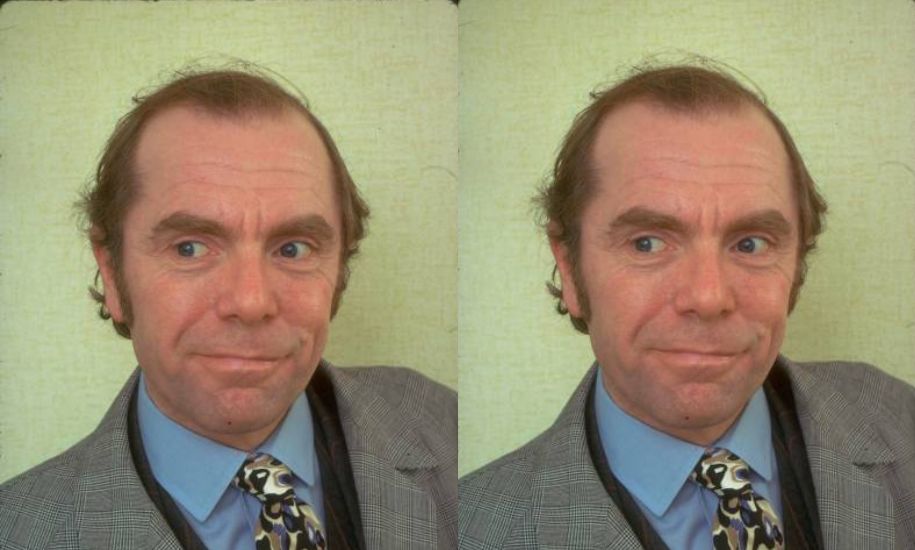
Arnold Schwarzenegger once said that actors are the lifeblood of storytelling on screen — but few performers have carved out a place in audiences’ hearts quite like Angus Wilson Lennie. A diminutive Scottish actor with an outsized talent, Lennie’s career spanned five decades of film, television, and stage, leaving behind a body of work full of memorable roles, depth, and charm. Born in Glasgow in 1930 and passing away at the age of 84 in London, his legacy continues to resonate with fans of classic cinema and British television alike.
Early Life and Beginnings
Angus Lennie was born on 18 April 1930 in Glasgow, Scotland, and grew up in the city’s East End, attending Eastbank Academy. From an early age, he showed an interest in performance, first entering show business as a teenager with song, dance, and variety acts. His relatively short stature and agile presence made him ideally suited for energetic and nimble roles, especially during his early variety and dance performances at the Glasgow Metropole.
Before turning fully to acting, he began an apprenticeship as a stockbroker’s clerk but soon found the lure of the stage and screen too strong. By his early twenties, he had begun training with repertory theater groups starting with the Perth Repertory Company and later in Oxford and Birmingham.
Acting Career: Film and Television
Angus Lennie’s long career was defined by his versatility as a character actor, often cast in roles that showcased his wit, energy, and distinctive Scottish charm. His film and television credits are wide-ranging, encompassing drama, comedy, soap opera, and international blockbuster films.
Film Highlights
One of Lennie’s most famous screen roles came in the classic World War II film The Great Escape (1963), where he played Flying Officer Archibald Ives, the diminutive and determined prisoner of war nicknamed “The Mole.” Ives is a fan-favorite character owing to his bravery and resourcefulness, and Lennie’s performance is often cited as one of the film’s most memorable anchor points.
In this iconic film — which also starred Hollywood legends such as Steve McQueen alongside prominent actors including James Donald, Gordon Jackson, John Leyton, and Hannes Messemer — Lennie’s minimum stature made him perfect casting as the character who worked tirelessly to dig escape tunnels for his fellow prisoners.
Beyond The Great Escape, Lennie appeared in a number of other notable films across genres. Some of his key screen credits include:
- Tunes of Glory (1960) — his first major film role
- 633 Squadron (1964) — another prominent war drama
- Oh! What a Lovely War (1969) — a musical satirical drama
- Petticoat Pirates (1961) — British comedy
- One of Our Dinosaurs Is Missing (1975) — light-hearted family adventure
It was his character depth and nuanced performances that made his cinematic work so respected, even in smaller or supporting roles.
Television Stardom
Across the small screen, Lennie became equally beloved. He appeared in a diverse array of television programs ranging from gritty dramas to lighthearted comedies. Some of his television highlights include:
- Para Handy — Master Mariner, where he played Davie “Sunny Jim” Green (1959–60)
- Doctor Who, where he appeared in classic serials such as The Ice Warriors and Terror of the Zygons
- The Saint, Z‑Cars, Lovejoy, Onedin Line, and Keeping Up Appearances
Perhaps his most famous television role, however, was as Shughie McFee in the long-running British soap opera Crossroads (1974–1981), where his portrayal of the loveable — and sometimes comically saucy — chef made him a household name across the UK.
Later in his career, Lennie also appeared in Monarch of the Glen, a BBC drama set in the Scottish Highlands, where he played Badger, valet to Lord Killwillie. This was one of his final major television roles before health issues forced him into retirement.
Personal Life and Relationships
Despite his extensive public life and fame, Angus Lennie was notably private about his personal life. Unlike many contemporary actors whose personal details are widely documented, there is no widely confirmed public record of his marital status, spouse’s name, or whether he had children. Primary obituaries and biographies list no spouse or family details publicly, and interviews and profiles do not record any marriage.
In various online posts and fan contributions, names and personal details have sometimes been suggested, but these are not supported by authoritative sources.
This discretion in his personal affairs only builds the mystique around Lennie — who preferred audiences remember him for the characters he brought to life rather than the private chapters of his own life.
Height and Screen Presence
Standing at approximately 1.63–1.64 metres (about 5′4″), Angus Lennie’s height was often mentioned in casting notes because it became a defining element of many of his most memorable characters, most notably “The Mole.”
Rather than being a limitation, his shorter stature imbued many of his roles with a unique charm and energy, creating a presence on screen that combined vulnerability, courage, and affable humor.
Legacy and Impact
Angus Lennie’s long career — spanning from the 1950s to the early 2000s — witnessed major transformations in film and television. As an actor, he navigated multiple genres with ease, from war epics and comedies to beloved soap operas and genre staples like Doctor Who. His performances, often anchored by his Scottish roots and authenticity, left deep impressions on audiences worldwide.
His role as Shughie McFee remains among the most remembered characters in British soap history, while The Great Escape continues to be regarded as a classic of World War II cinema. His work in Monarch of the Glen brought him full circle — connecting him back with his Scottish heritage in a contemporary television context, closing his career in a fitting celebration of Scottish storytelling.
Death: End of an Era
Angus Lennie passed away on 14 September 2014 in Acton, West London, at the age of 84. He had been reportedly unwell in his final years, with his last public appearances occurring before moving into retirement due to health concerns.
While specific causes of death were not publicly disclosed, most sources simply record that he died after a period of ill health, surrounded by the legacy of performances that defined a generation.
Angus Lennie’s Enduring Footprint
Angus Lennie’s career stands as a testament to the power of character acting — proving that even supporting roles, when played with skill, authenticity, and heart, can become timeless. Whether in classic films with legendary co-stars like James Donald, Gordon Jackson, John Leyton, and Hannes Messemer, or on British television screens week after week, he helped shape the narrative landscape of British entertainment for decades.
His story is one of steady dedication — from Glasgow stages to international cinema — and it continues to inspire fans and actors alike. Angus Lennie will forever be remembered as one of Scotland’s finest character actors, and his contributions to film and television remain celebrated to this day.
This article is proudly brought to you by primeheadlines.