 By Admin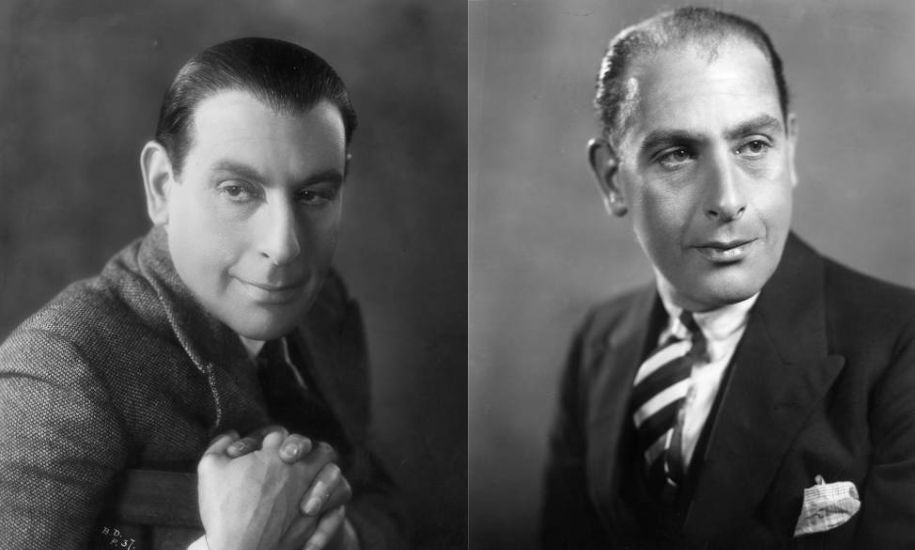
Who is Cedric Hardwicke?
Sir Cedric Webster Hardwicke was one of the most distinguished British actors of the 20th century, known for his commanding voice, classical training, and powerful presence on both stage and screen. Born on February 19, 1893, in Lye, Worcestershire, England, Hardwicke built a career that spanned more than five decades, earning him recognition in theatre, Hollywood films, and television.
He was particularly admired for his Shakespearean performances and his ability to portray authoritative, intellectual, and often morally complex characters. His contributions to acting were so significant that he was knighted in 1934, becoming one of the youngest actors ever to receive such an honor.
Cedric Hardwicke Born and Early Life
Cedric Hardwicke was born into a modest English family. His father was a doctor, and initially, Cedric was expected to follow in his footsteps. However, after failing his medical entrance exams, he turned toward acting—a decision that would ultimately define his legacy.
He trained at the prestigious Royal Academy of Dramatic Art (RADA), where he honed his skills in classical theatre. His early years were marked by stage performances, and he quickly gained recognition for his deep voice and refined acting style.
During World War I, Hardwicke served in the British Army, which temporarily interrupted his acting career. After the war, he returned to the stage and rapidly established himself as a leading actor in British theatre.
Cedric Hardwicke Young: Rise to Fame
In his younger years, Hardwicke was known for his dedication to classical acting and literature. He gained prominence through Shakespearean roles and performances in plays by George Bernard Shaw and other notable playwrights.
By the 1920s and 1930s, he had become a major figure in London’s theatre scene. His transition to film came naturally, as his commanding presence and articulate delivery translated well to the screen.
His early film roles showcased his versatility, allowing him to portray everything from historical figures to villains and intellectuals. This adaptability made him highly sought after in both British and American cinema.
Cedric Hardwicke Movies: A Remarkable Film Career
Cedric Hardwicke appeared in numerous films that are now considered classics. His filmography reflects a wide range of genres, including drama, historical epics, horror, and literary adaptations.
Notable Cedric Hardwicke Movies
Some of his most famous films include:
- Things to Come (1936)
- The Hunchback of Notre Dame (1939) – as Judge Frollo
- The Ghost of Frankenstein (1942)
- The Keys of the Kingdom (1944)
- Rope (1948), directed by Alfred Hitchcock
- Richard III (1955)
- The Ten Commandments (1956)
Among these, The Ten Commandments stands out as one of his most iconic performances.
Cedric Hardwicke in The Ten Commandments
In The Ten Commandments (1956), directed by Cecil B. DeMille, Cedric Hardwicke played Pharaoh Sethi, the powerful ruler of Egypt and the adoptive father of Moses.
His portrayal added depth and gravitas to the film, as he balanced authority with paternal emotion. Acting alongside Charlton Heston, Hardwicke delivered a memorable performance that remains one of the highlights of the epic biblical film.
This role cemented his reputation in Hollywood as an actor capable of commanding historical and dramatic roles with authenticity.
Cedric Hardwicke Net Worth
Determining the exact net worth of Cedric Hardwicke is challenging, as financial records from early 20th-century actors are often not publicly documented.
However, several factors indicate that he was financially successful:
- A long and consistent career in theatre and film
- Work in both British and Hollywood productions
- High-profile roles in major films
- Recognition and honors, including knighthood
While no precise figure is available, he was undoubtedly among the more successful actors of his time.
Cedric Hardwicke Cause of Death
Cedric Hardwicke passed away on August 6, 1964, in New York City at the age of 71.
The cause of death was chronic obstructive pulmonary disease (COPD), a condition often associated with long-term smoking. Like many individuals of his era, Hardwicke was a heavy smoker, which contributed significantly to his declining health.
His death marked the end of a remarkable era in classical acting.
Cedric Hardwicke Grave
Unlike many notable figures, Cedric Hardwicke does not have a traditional grave.
- He was cremated at Golders Green Crematorium in London
- His ashes were scattered
As a result, there is no specific burial site or memorial grave that fans can visit, though his legacy lives on through his extensive body of work.
Cedric Hardwicke and SETI (Clarification)
There is no confirmed or historical connection between Cedric Hardwicke and SETI (Search for Extraterrestrial Intelligence).
This keyword sometimes appears in searches due to:
- Confusion with science fiction themes
- Associations with classic films like Things to Come
- Algorithmic mixing of unrelated topics
In reality, Hardwicke’s career was focused on theatre, drama, and historical films rather than scientific or extraterrestrial research.
Edward Hardwicke: Continuing the Legacy
Cedric Hardwicke’s legacy was carried forward by his son, Edward Hardwicke, who also became a respected actor.
Who Was Edward Hardwicke?
Edward Hardwicke was born on August 7, 1932, in London, England. Like his father, he pursued a career in acting and gained recognition for his work in film, television, and theatre.
Notable Roles
Edward Hardwicke is best known for playing Dr. John Watson in the television series Sherlock Holmes (1986–1994), alongside Jeremy Brett.
He also appeared in:
- Elizabeth (1998)
- Love Actually (2003)
- Oliver Twist (2005)
Death
Edward Hardwicke passed away on May 16, 2011. Reports indicate that he died after battling cancer.
His career, much like his father’s, was marked by dignity, professionalism, and a strong connection to classical acting traditions.
Cedric Hardwicke’s Legacy in Film and Theatre
Cedric Hardwicke remains one of the most respected actors of his generation. His influence can be seen in:
- Classical theatre traditions
- Early Hollywood cinema
- Literary and Shakespearean adaptations
He was known for his intellectual approach to acting, often bringing depth and nuance to every role he played. His performances were marked by clarity of speech, emotional control, and a deep understanding of character.
Hardwicke’s ability to transition seamlessly between stage and screen set a standard for future generations of actors.
Final Thoughts
Cedric Hardwicke’s life and career represent a golden era of acting—one rooted in discipline, classical training, and artistic excellence. From his early struggles to his rise as a knighted actor and Hollywood star, his journey is both inspiring and historically significant.
His performances in films like The Ten Commandments continue to captivate audiences, while his contributions to theatre remain invaluable. Alongside his son Edward Hardwicke, he left behind a lasting legacy in the world of acting.
For more detailed biographies, classic film insights, and historical celebrity profiles, visit primeheadlines, where timeless stories like that of Cedric Hardwicke continue to inspire readers around the world.