 By Admin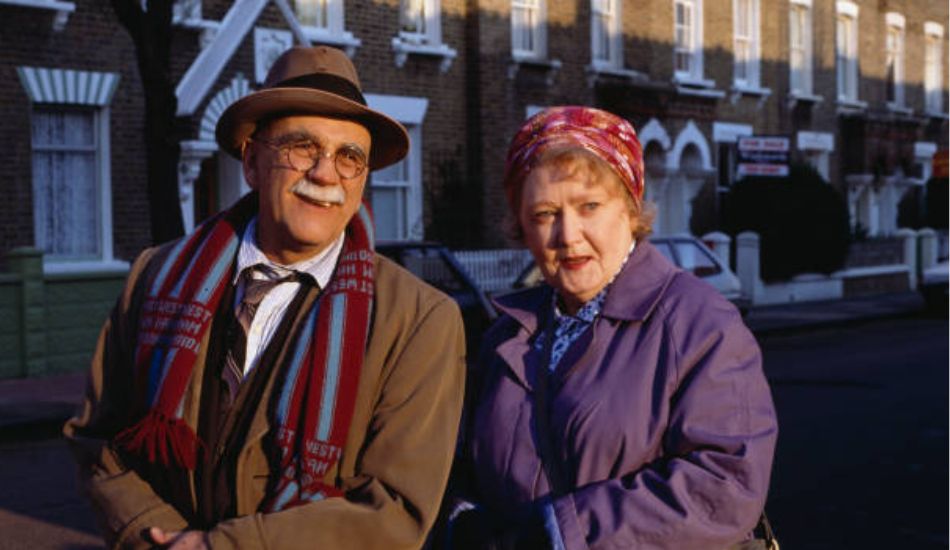
Dandy Nichols was a celebrated English actress whose name became permanently associated with one of Britain’s most influential television sitcoms. Best remembered for her role as the gentle, long-suffering Else Garnett in Till Death Us Do Part, Nichols carved out a career that spanned nearly four decades across theatre, film, and television. Though often cast in supporting or character roles, her performances carried warmth, subtle humor, and emotional realism that resonated deeply with audiences.
Born Daisy Sander, she adopted the nickname “Dandy” from childhood and transformed it into a professional identity that became widely recognized in British entertainment. While many remember her primarily for television comedy, her career was far broader, encompassing stage work, major motion pictures, and appearances in some of the most iconic British films of the mid-20th century.
Dandy Nichols Age and Early Life
Dandy Nichols was born on 21 May 1907 in Fulham, London, England. She grew up in early 20th-century London, a time when theatre and music halls played a central role in popular entertainment. As a young woman, she initially worked as a secretary, a common profession for women at the time, before discovering her passion for acting.
Her interest in performance led her to study drama, diction, and fencing, skills that were essential for stage actors in repertory theatre. During her younger years, Nichols joined repertory companies, honing her craft through constant performance and learning versatility—traits that later defined her screen work.
She lived to the age of 78, passing away on 6 February 1986 in Whitechapel, London.
Dandy Nichols Young: From Stage to Screen
In her younger years, Dandy Nichols focused heavily on theatre, including repertory productions in provincial England and later appearances in the West End. For a period, she also performed under the name Barbara Nichols, before settling permanently on “Dandy Nichols.”
Her stage background shaped her screen presence. She developed a naturalistic acting style—restrained, emotionally grounded, and often quietly humorous. These qualities made her ideal for character roles rather than leading-lady parts, especially as British cinema shifted toward realism in the post-war years.
Nichols eventually transitioned to film in the late 1940s, marking the beginning of a long and steady on-screen career.
Dandy Nichols Movies and TV Shows
Dandy Nichols appeared in dozens of films and television programs, often portraying working-class women, landladies, nurses, neighbors, or mothers. While she rarely headlined productions, her face and voice became instantly recognizable.
Television Career
Her defining television role was Else Garnett in Till Death Us Do Part (1965–1975). The show was groundbreaking for its frank treatment of class conflict, politics, and social change in Britain. Nichols’ character served as the emotional counterbalance to the loud, opinionated Alf Garnett, offering compassion and humanity amid constant argument.
She later reprised versions of the role in:
- Till Death… (1981)
- In Sickness and in Health (1985)
Other notable television appearances included:
- The Bagthorpe Saga
- Bergerac
- Various BBC dramas and sitcoms throughout the 1960s–1980s
Film Career
Nichols’ film work spanned genres from comedy to historical epics. Some of her most notable films include:
- Help! (1965)
- Carry On Doctor (1967)
- O Lucky Man! (1973)
- Britannia Hospital (1982)
Dandy Nichols in The Vikings
One of her lesser-known but notable film appearances was in The Vikings (1958), a large-scale historical epic starring Kirk Douglas and Tony Curtis. Though her role was small, it demonstrated her range and her ability to adapt to international productions. Appearing in such a high-profile film placed Nichols among a select group of British character actors who regularly crossed between domestic and Hollywood-backed productions.
Why Did Dandy Nichols Leave Till Death Us Do Part?
Fans have long asked: Why did Dandy Nichols leave Till Death Us Do Part?
Her departure from the original series in the mid-1970s was reportedly influenced by professional tensions and creative differences, particularly with the show’s lead actor. While Nichols was widely respected for her professionalism, the demanding nature of the production and interpersonal strain contributed to her stepping away.
Despite this, she later returned in sequel series, showing that there was no permanent rupture with the role or its audience. Her final appearances were especially poignant, as her real-life health struggles were incorporated into the storyline.
Health Struggles and Later Years
In her later years, Dandy Nichols suffered from rheumatoid arthritis, a condition that significantly limited her mobility. Rather than retire completely, she continued acting, and her illness was written into In Sickness and in Health. This decision added authenticity and emotional depth to her character, further endearing her to viewers.
Her commitment to acting despite physical pain remains one of the most admirable aspects of her career.
Dandy Nichols Net Worth
There is no verified public record of Dandy Nichols’ net worth. Like many British actors of her generation, she worked primarily as a character actress rather than a star commanding large salaries. Her income would have come from steady work in television, film, and theatre rather than major financial windfalls.
At the time, actors were rarely the subject of financial reporting unless they reached international stardom. As a result, estimates of her net worth are speculative and not reliably documented.
Dandy Nichols Family, Father, and Siblings
Details about Dandy Nichols’ father, mother, brothers, or sisters are extremely limited in public records. She was known to be a private individual, and unlike many modern celebrities, she did not publicize her family background.
What is clear is that her upbringing in London shaped her understanding of working-class life, which translated authentically into her on-screen performances.
Dandy Nichols Married To: Husband and Personal Life
Dandy Nichols was married in 1942 to Stephen Bagueley Waters, a newspaper editor. The marriage lasted until 1955, when the couple divorced.
After her divorce, Nichols did not remarry and kept her personal life largely out of the public eye. She focused on her acting career and maintained close professional relationships rather than cultivating celebrity status.
Dandy Nichols Kids
There are no confirmed records indicating that Dandy Nichols had children. Most biographical sources list no children, suggesting that she did not have sons or daughters, or that she chose to keep this aspect of her life private.
Dandy Nichols NY and International Presence
Although primarily associated with Britain, Nichols did have a brief professional connection to New York, where she appeared in stage productions earlier in her career. However, she was never based in the U.S. long-term. Her identity and legacy remain firmly rooted in British theatre and television.
Dandy Nichols Grave and Death
Dandy Nichols passed away on 6 February 1986 in London. A memorial exists in her name, but specific public details about her grave location are limited. Like much of her personal life, her burial arrangements were kept private, in keeping with her modest, understated nature.
Legacy and Cultural Impact
Dandy Nichols left behind a powerful legacy as one of Britain’s most beloved television wives and character actresses. Her portrayal of Else Garnett offered:
- Emotional balance in a politically charged sitcom
- A humane counterpoint to anger and prejudice
- A quietly feminist strength rooted in compassion
Her performances continue to be studied as examples of naturalistic acting, proving that subtlety can be just as impactful as theatrical flair.
Final Thoughts
Dandy Nichols may not have chased fame, wealth, or celebrity, but her work continues to live on through reruns, archives, and the memories of generations of viewers. Her career is a reminder that character actors form the backbone of great storytelling.
Articles like this, published on platforms such as primeheadlines, help preserve the legacy of performers whose contributions shaped television history in lasting ways.